It has long been said that shipping rarely makes headlines for the right reasons and no event made more striking and major mainstream headlines in 2024 than the incident of a commercial vessel colliding with the Francis Scott Key Bridge in Baltimore.
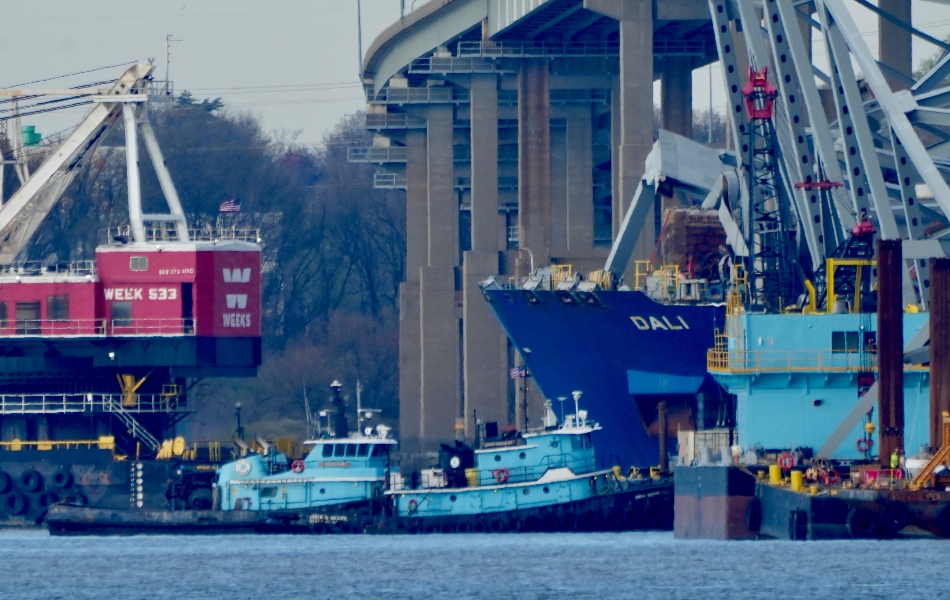
During the early morning of 26 March 2024, the Singapore-flagged 9,971 teu neopanamax container ship, Dali, setting sail from the Port of Baltimore, collided with one of the bridge’s support pillars. The incident caused the entire bridge to collapse into the Patapsco River, causing vehicles and a sizeable construction crew to plummet into the river, leading to unfortunate loss of six lives.
While President Joe Biden hailed the heroics of the crew for their immediate mayday call to local authorities, which did lead to the evacuation of some individuals on the bridge, the 21 crew members from India and Sri Lanka were immediately found in the centre of the storm as investigations began.
The incident appears to have been caused by an onboard electrical power failure minutes before the Dali struck the bridge. There remains questions about a lack of fuel pressure to the generators that caused electrical breakers to turn off, while transcripts released by the National Transportation Safety Board (NTSB), who are leading the investigation, showed several alarms and loss of system data were detected hours before the vessel departed the Port of Baltimore.
The collision led to a major rescue and environmental clean-up effort involving US Army, Navy and Coast Guard members, alongside Maryland authorities and specialist private firms. Nevertheless, the sight of the collapsed bridge hanging off the edge of Dali’s bow caused the incident to become one of the most infamous maritime disasters in recent history, with insurance payouts potentially reaching the billions of dollars to cover the cost of the vessel and cargo damage, rebuilding the bridge and compensation to the families of victims.
Lack of transparency
Critically, the incident highlighted the ongoing concerns about the transparency of safety incidents in the shipping industry. While incidents such as the Dali make international headlines, many smaller incidents remain unreported, which makes it challenging to identify potential and trending safety risks in commercial shipping.
According to data from leading insurer Allianz Commercial, there have been 203 incidents of container ships striking infrastructure since 2014. Most of these incidents are minor, involving collisions with harbour walls, piers, quays and locks, with very few incidents of hitting a major piece of infrastructure like a bridge. However small the incident, these collisions can have long-term consequences for commercial shipping, including loss of life, environmental damage and economic costs. Understanding and investigating these incidents, no matter the size and scale of the collision, is crucial for enhancing safety protocols and preventing future collisions.
Assessments and protocols
While vessels are becoming more technologically advanced, the Dali serves as a reminder that commercial vessels remain at risk to catastrophic breakdowns when basic systems lack certain levels of redundancy.
Onboard power systems are critical to ensure effective steering control, propulsion threat, navigation and communications. A sudden loss of electrical power, which is believed to have impacted Dali, strips the vessel and its crew of control and leaves the vessel exposed to environmental drift and mechanical vulnerability. Back-up generators and automated fail safes are vital in modern shipping in order to prevent these types of incidents or at least enable the crew to buy time to minimise potential risk or damage.
The collision also reinforced the need for stringent safety protocols for vessels of this size when transiting restricted or challenging waterways. These include proper training for crew members, regular maintenance of onboard systems, and effective communication between pilots and crew.
It also showcased the need for thorough risk assessments when transiting waters that are also home to major infrastructure. Mitigating procedures such as greater tug assistance and route planning protocols must take these circumstances into account, no matter how rare they may be. Any momentary lapse in vessel reliability can have real-world and life-changing consequences.
In the wake of the Baltimore Bridge incident, risk assessment strategies for commercial vessels need to include enhanced crew training, real-time monitoring, and closer coordination with port authorities, while also ensuring that the mechanics of the vessel remain in good condition with any redundant systems removed, replaced prior to departure or retained as a back up. This is vital as trade lanes become increasingly congested and more technologically complex.
While there are also arguments to be made about how major pieces of infrastructure are constructed, from tunnels and bridges to ports and terminals, maritime engineers must also look to collaborate with their civil counterparts to improve vessel resilience and prevent potential disasters from happening again in the future.
Learning from the past
As part of its investigation, the NTSB noted that there are 68 bridges similar to the Francis Scott Key Bridge throughout the United States that present a major risk of another incident happening if the correct preventative measures are not taken.
It is vital that shipping players around the world, even those that do not ply the US East Coast, learn from the devastation of the Dali incident. From ensuring that vessels are well maintained to undertaking critical risk assessments prior to any departure from port to making sure that crew members are fully trained and know how to respond to a power failure, shipping operations need to prioritise resilience and preparedness at every level.
By doing so, shipping can make sure it plays no part in infrastructure collisions and keeps human lives protected at all costs.